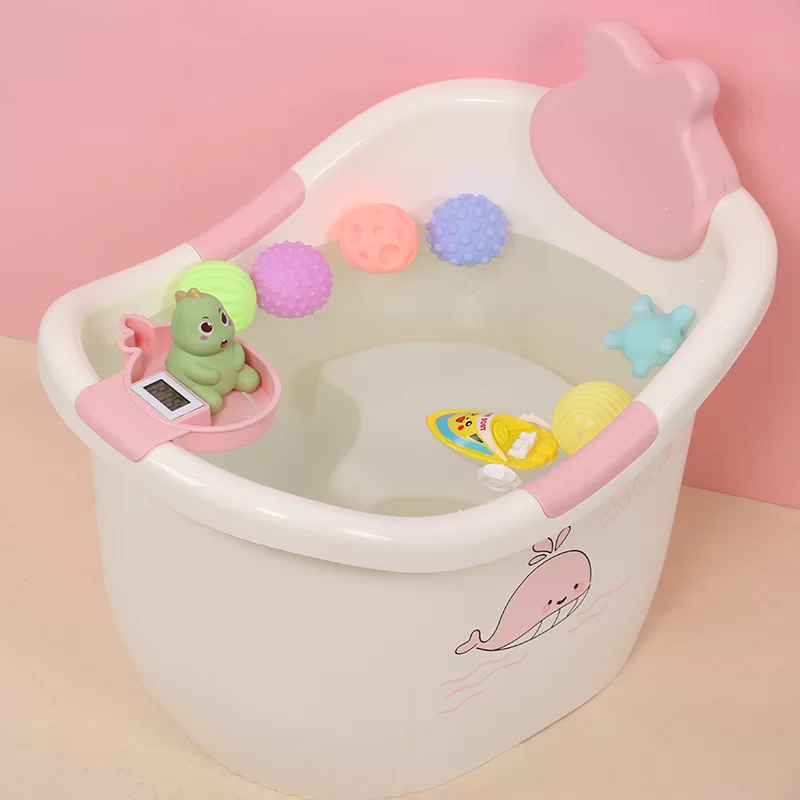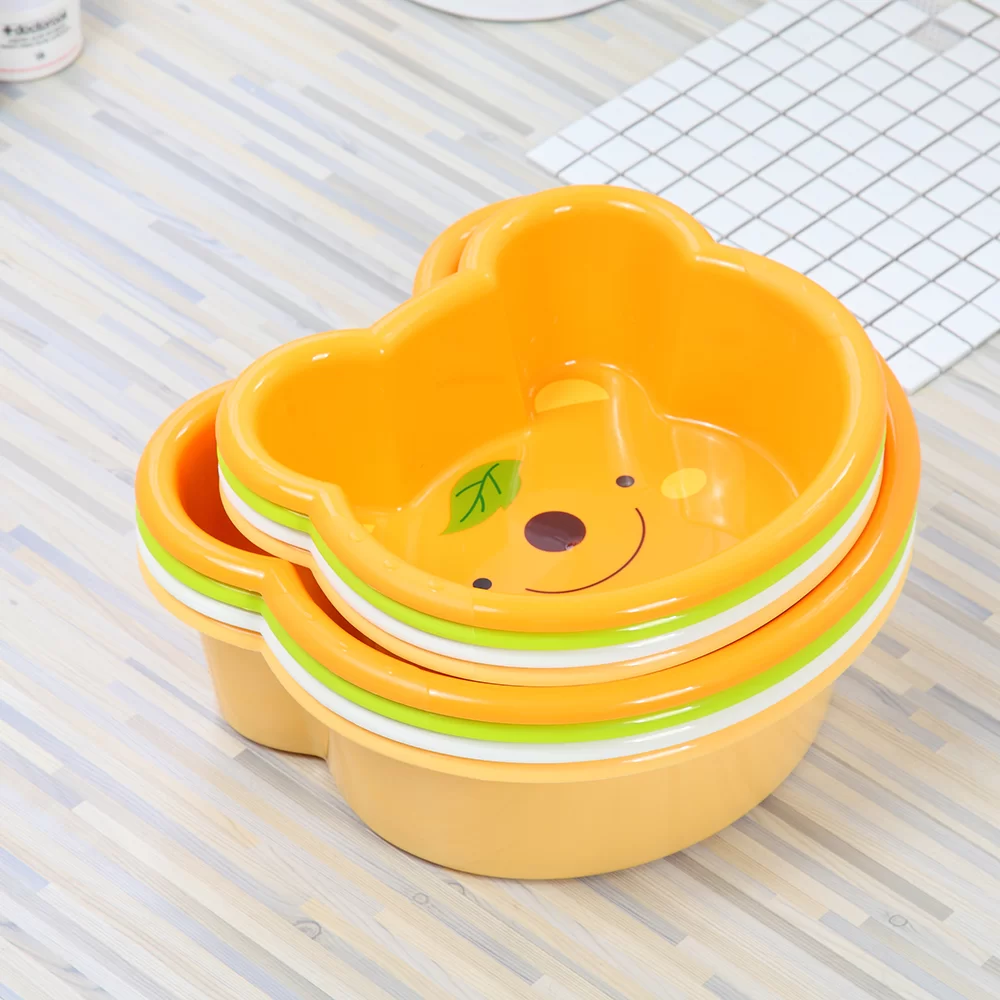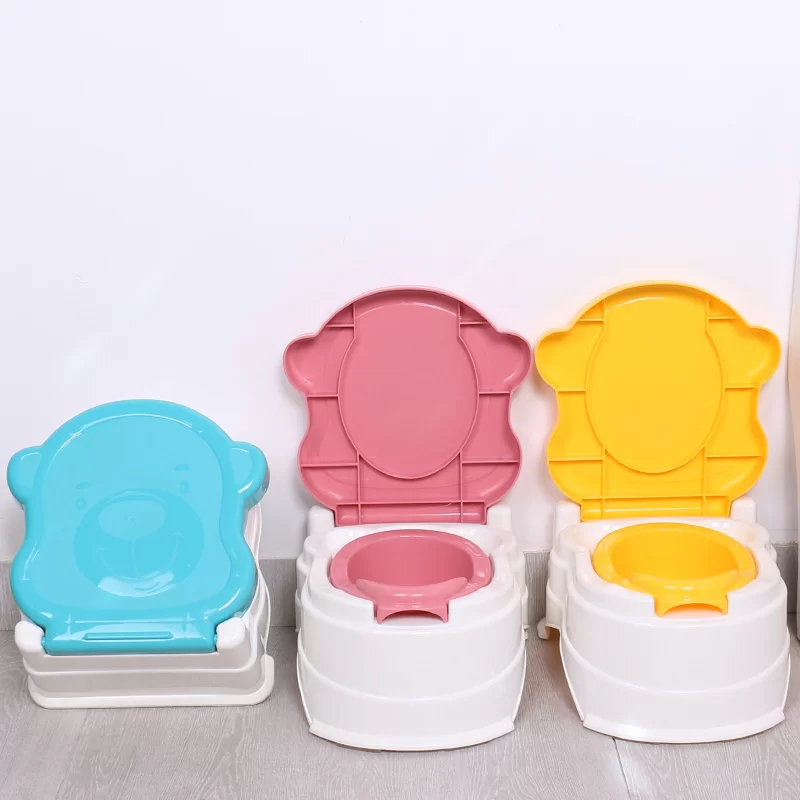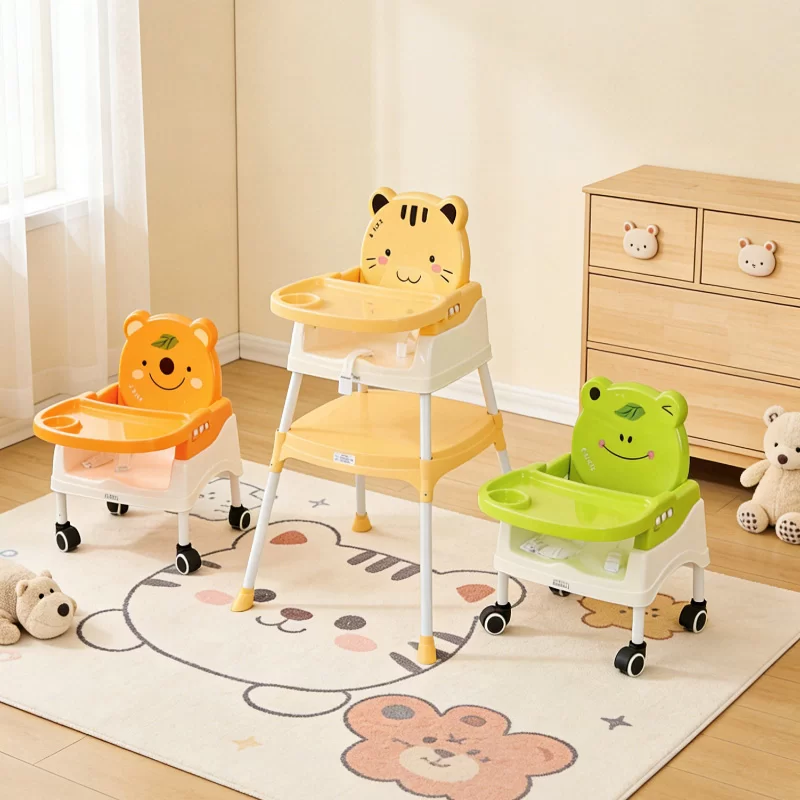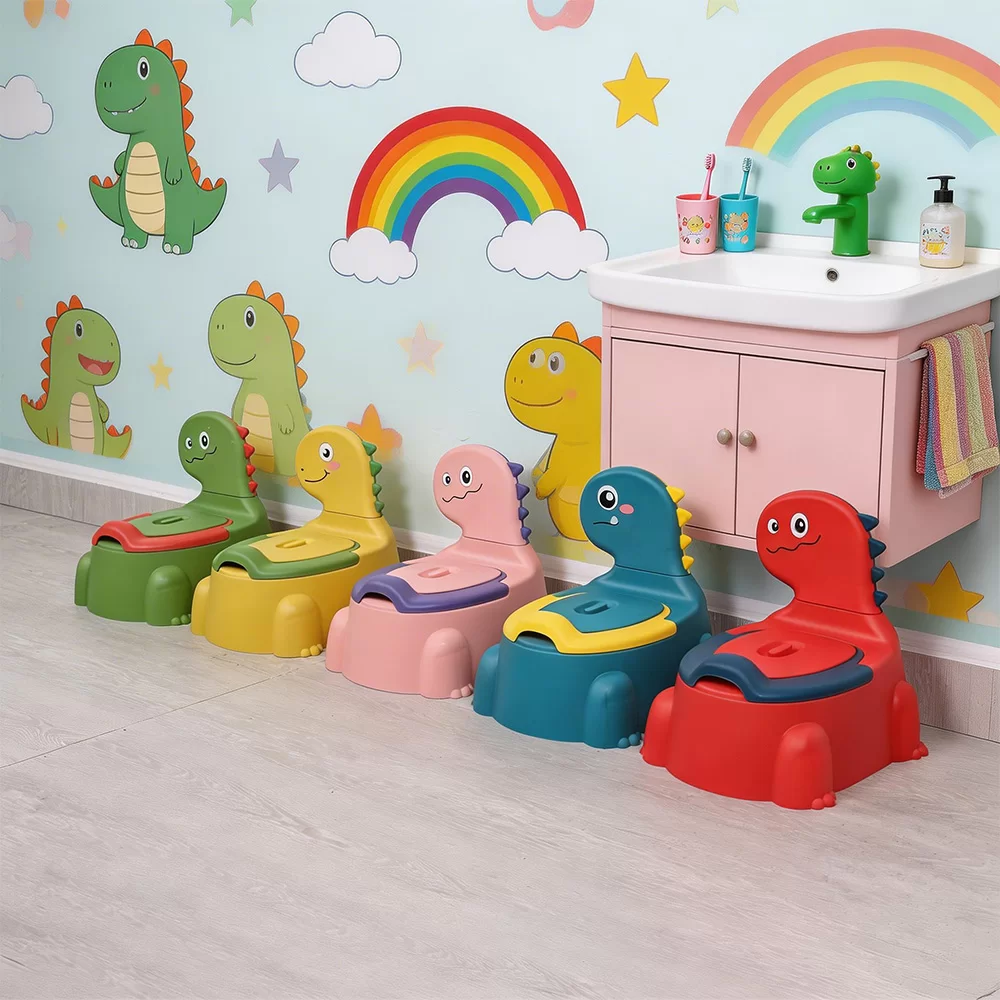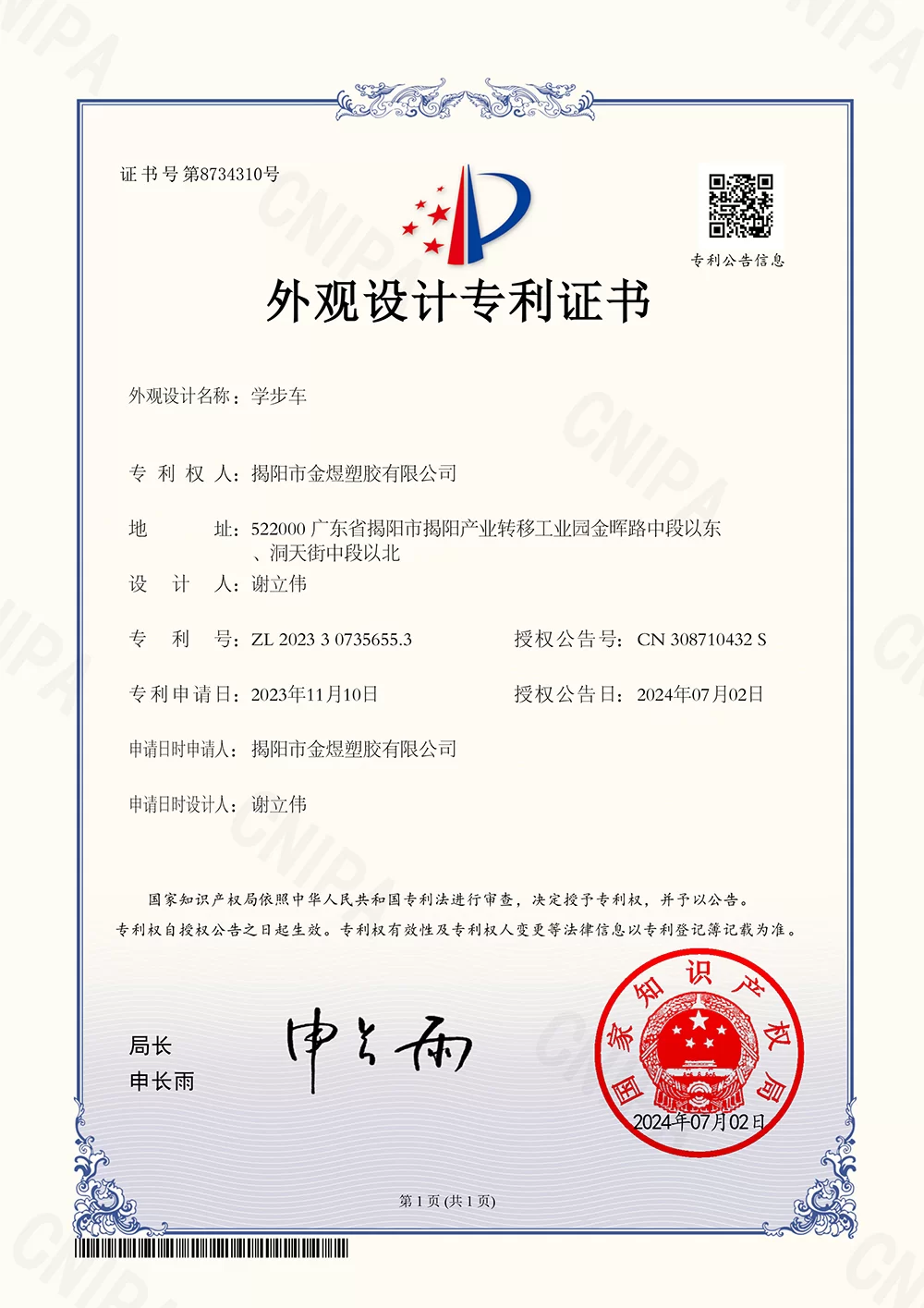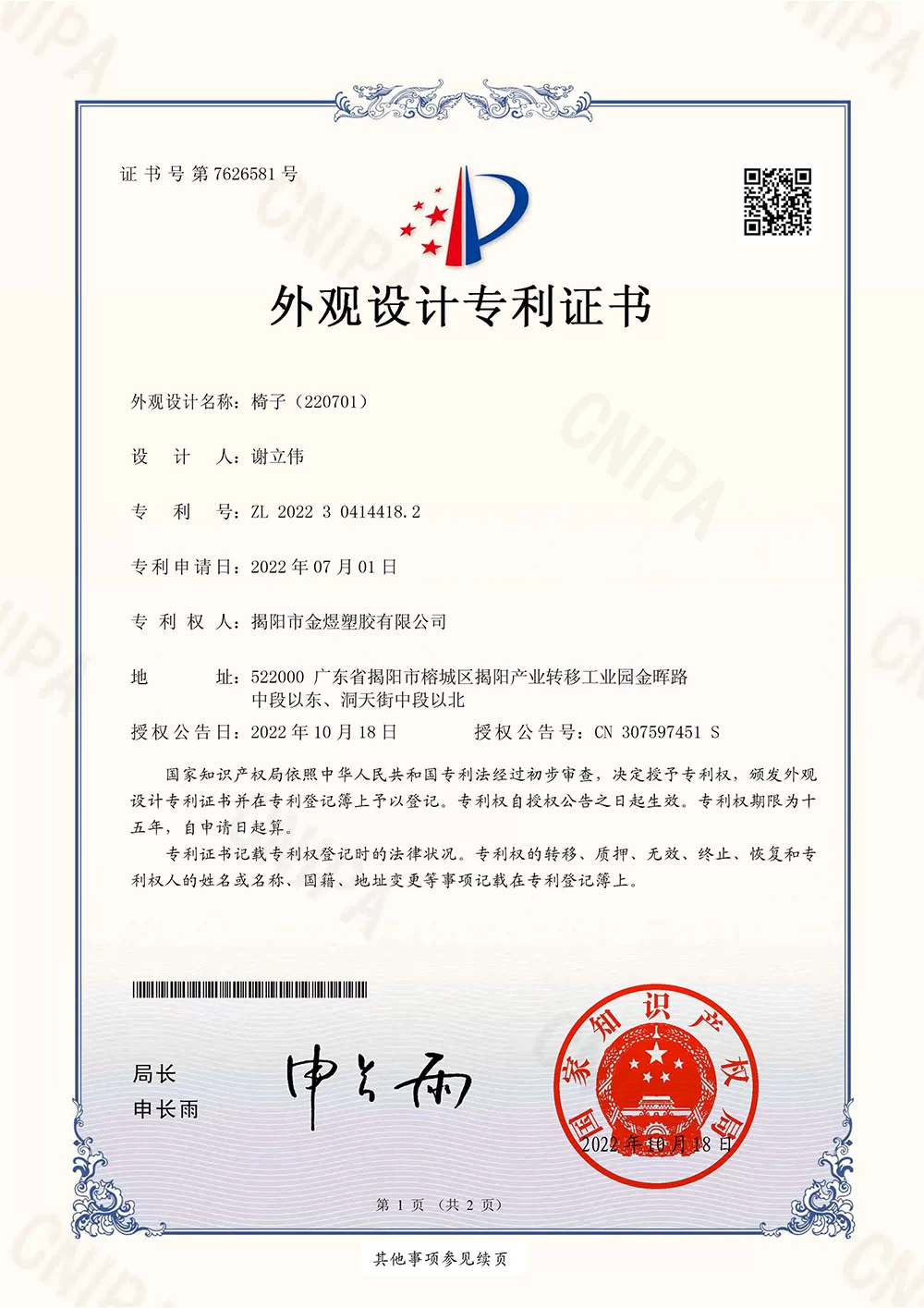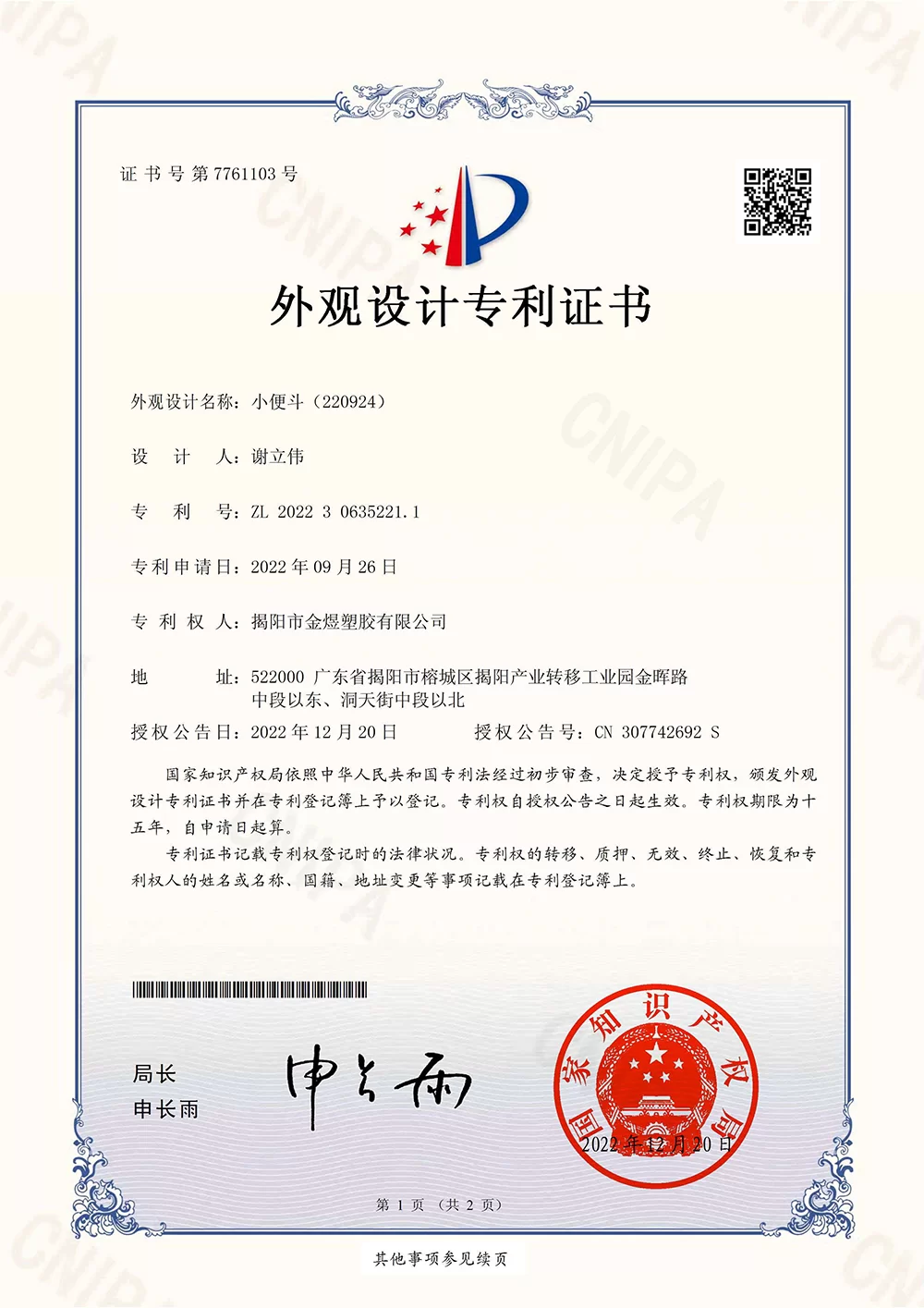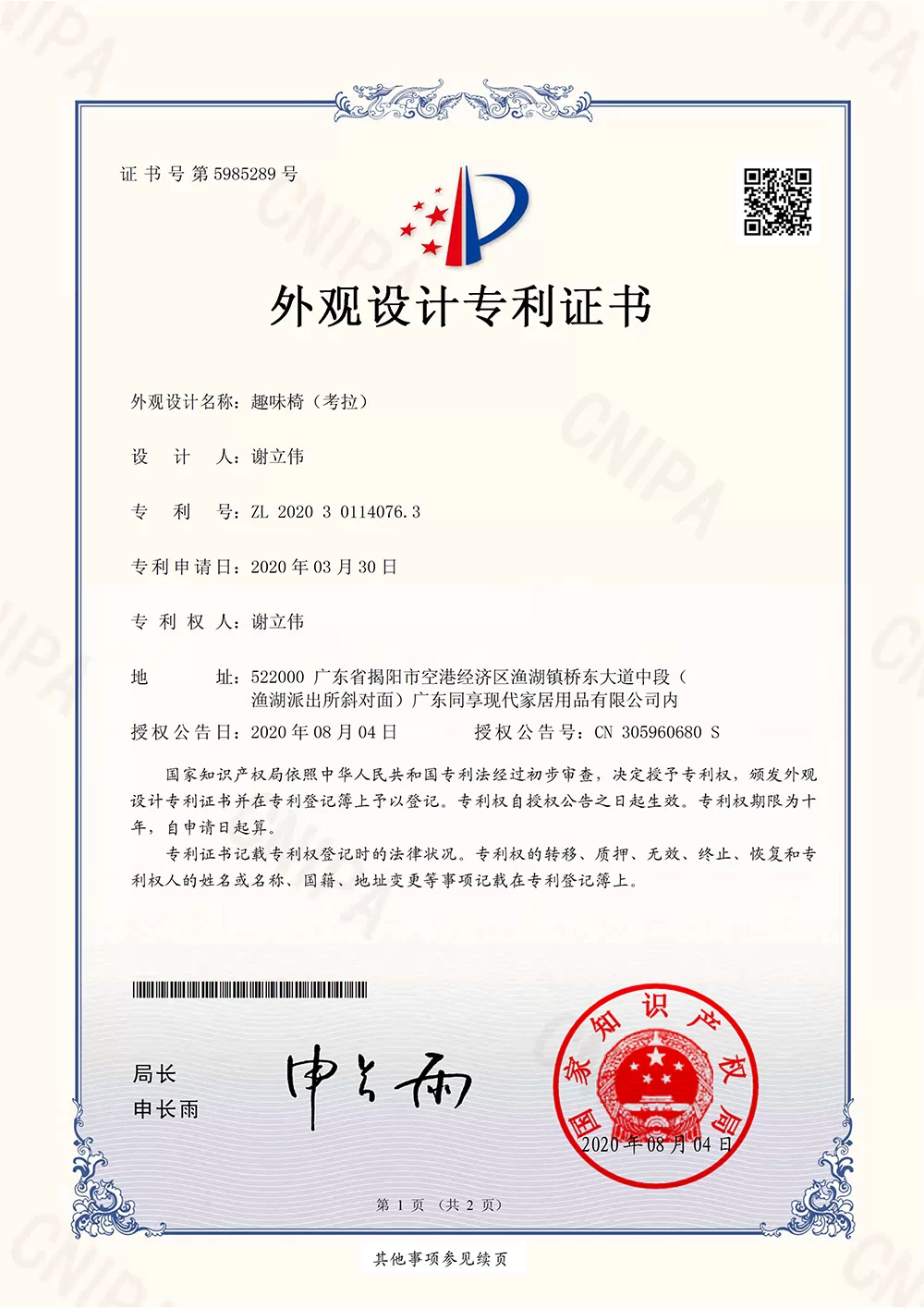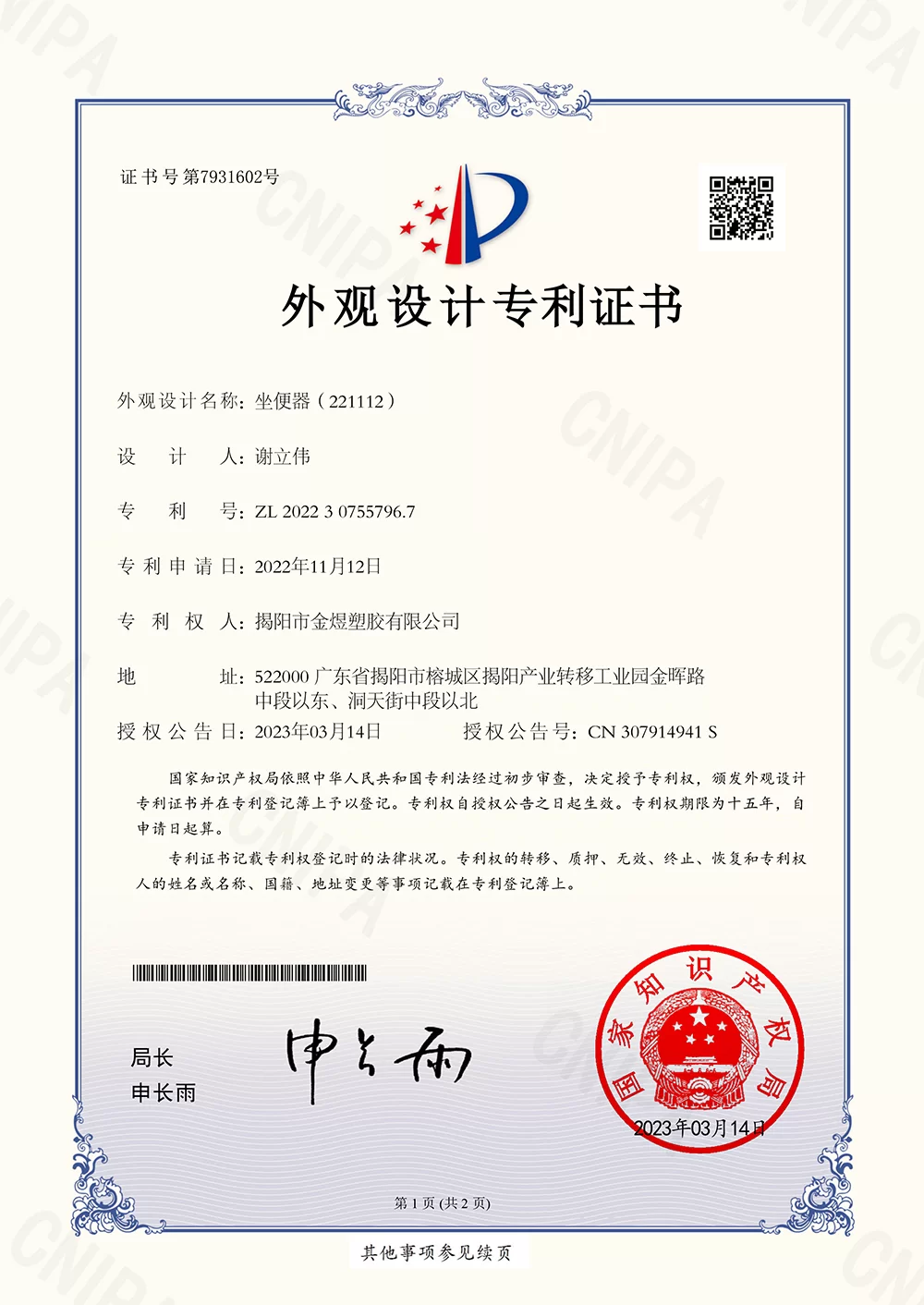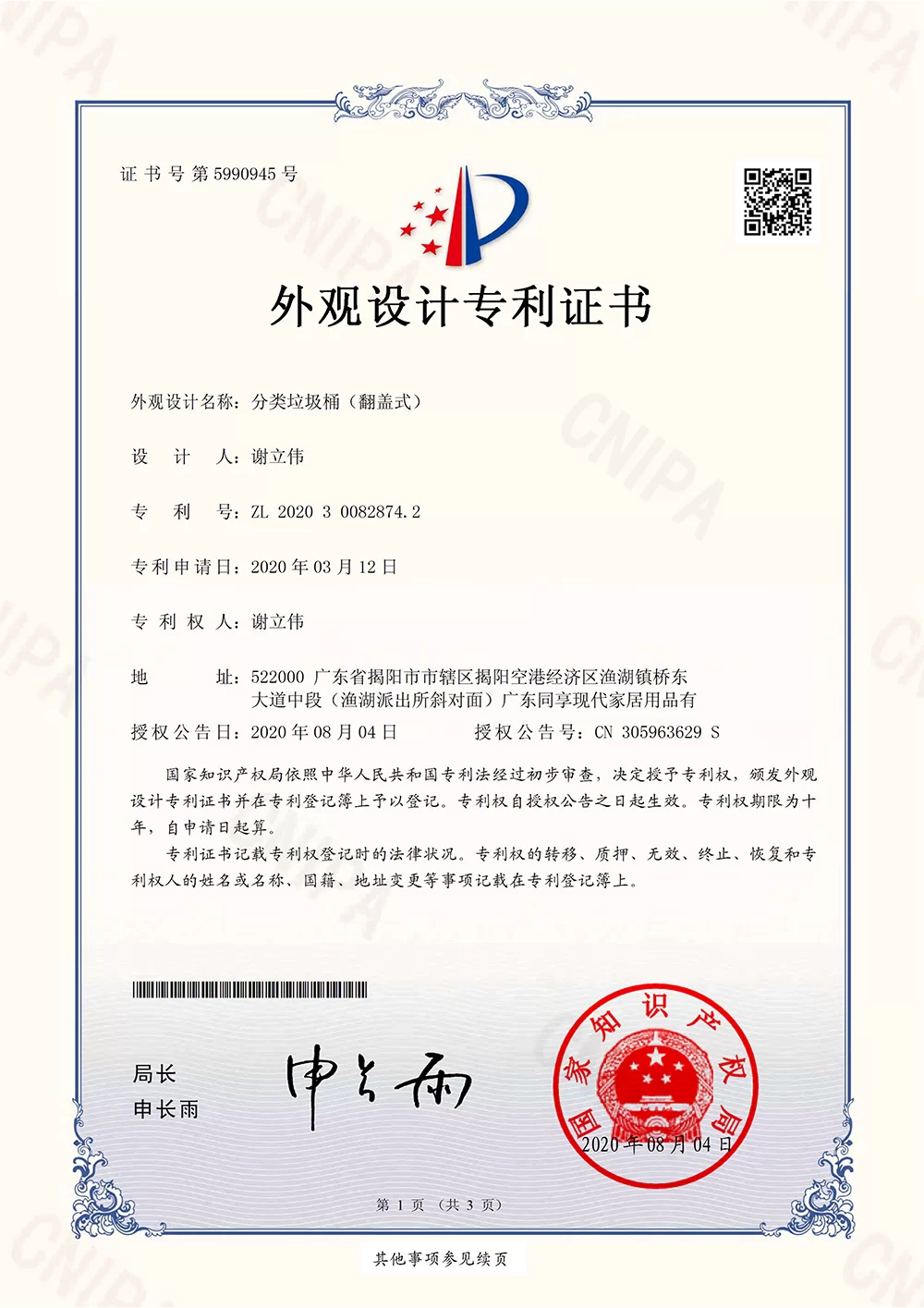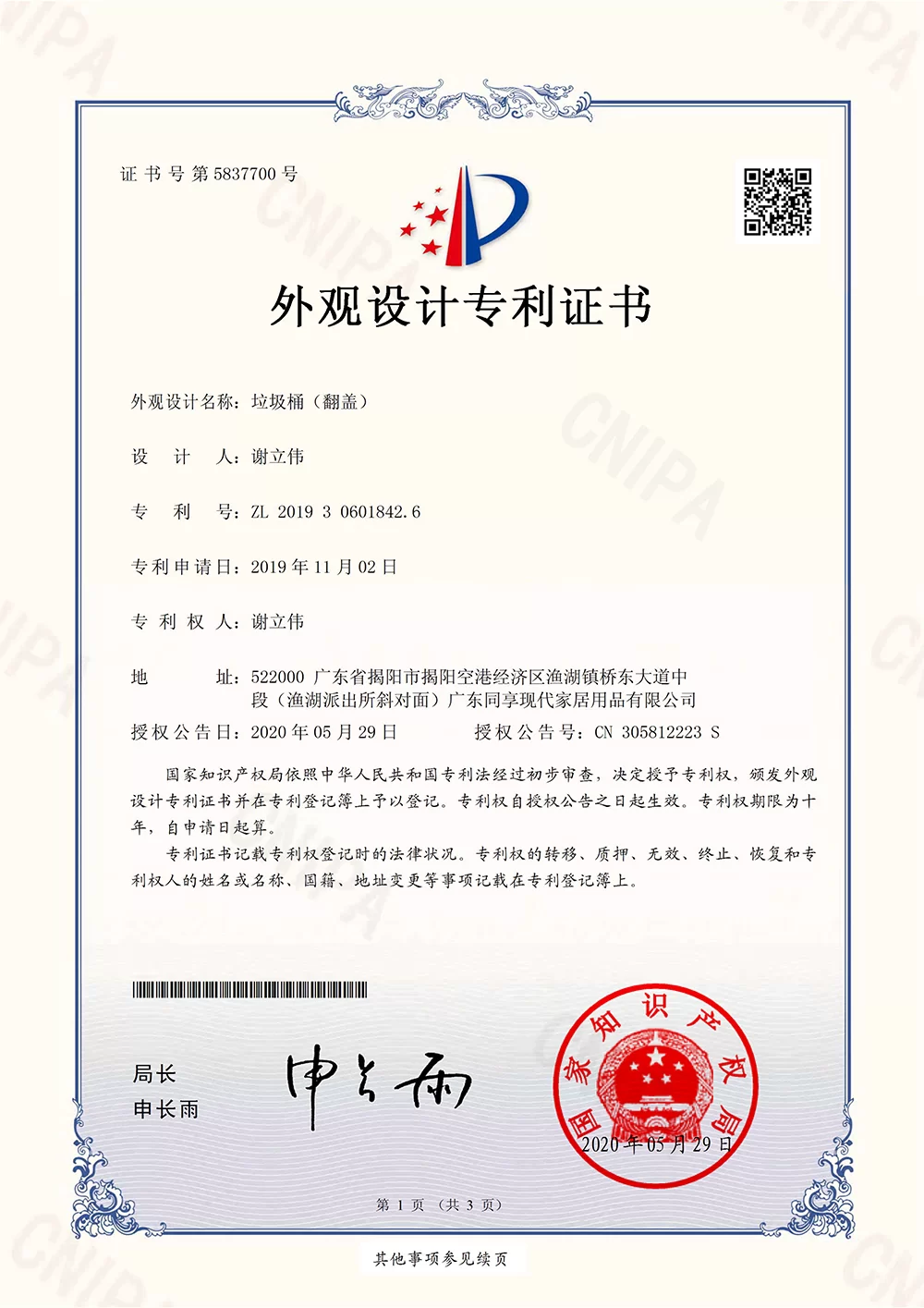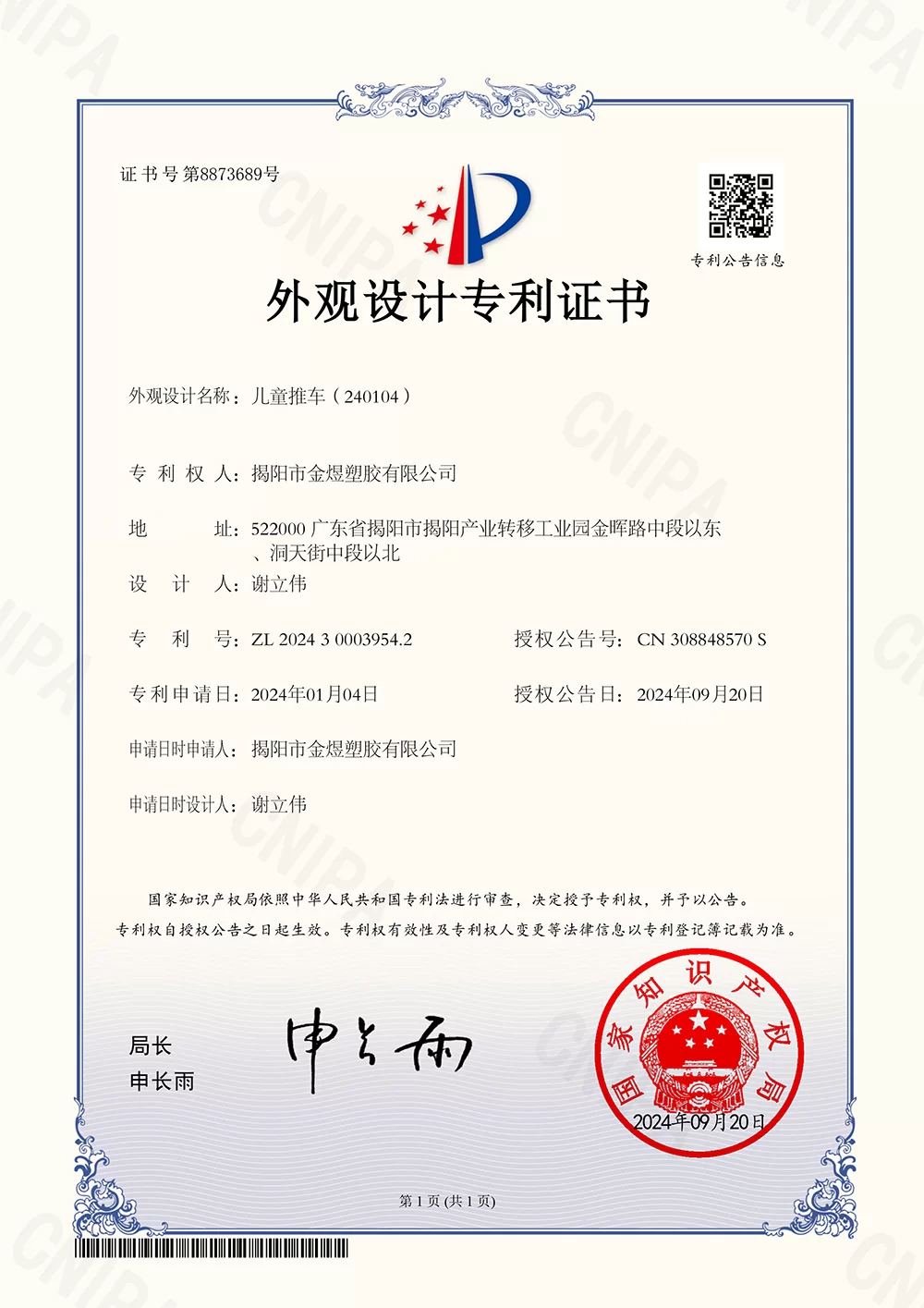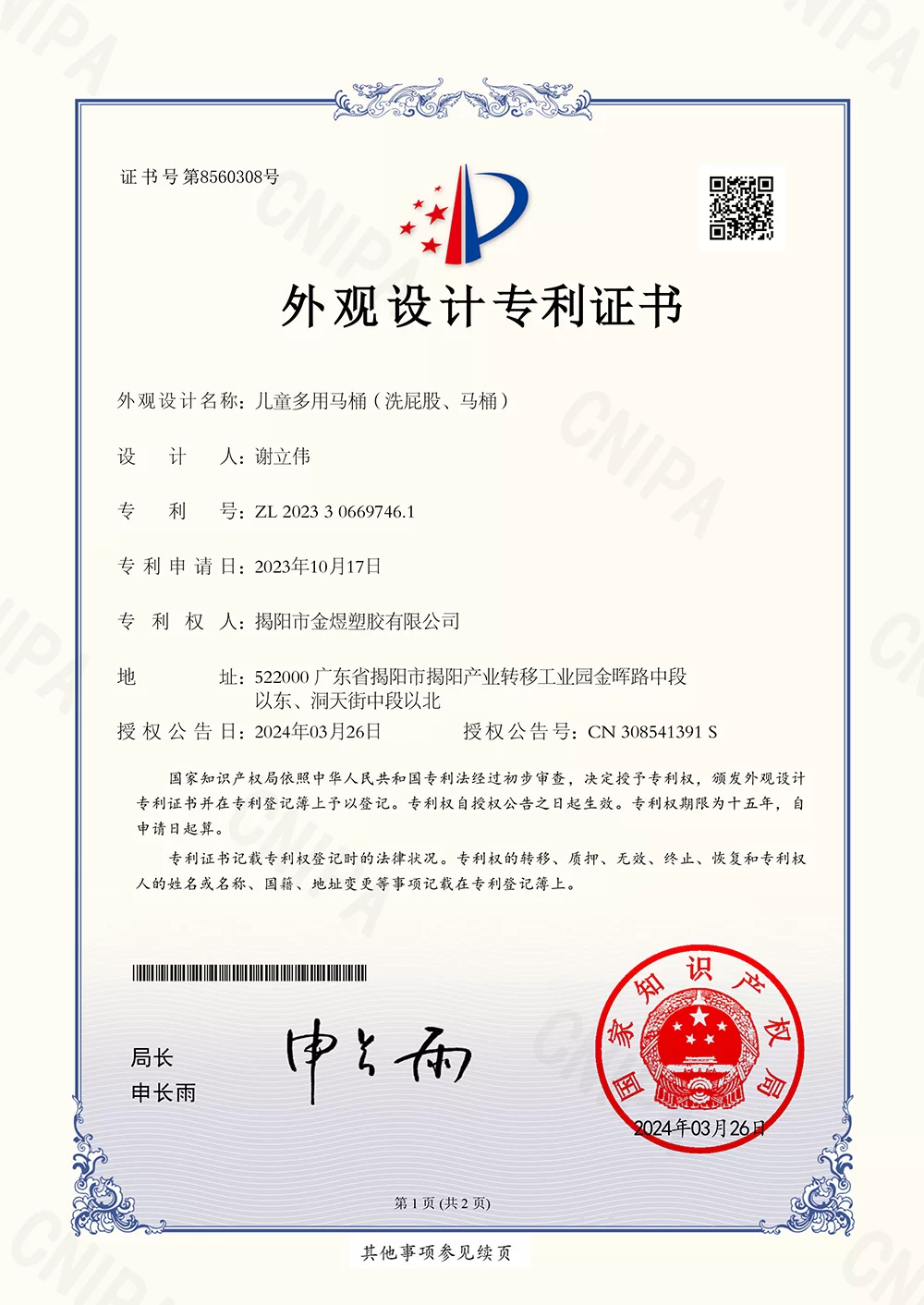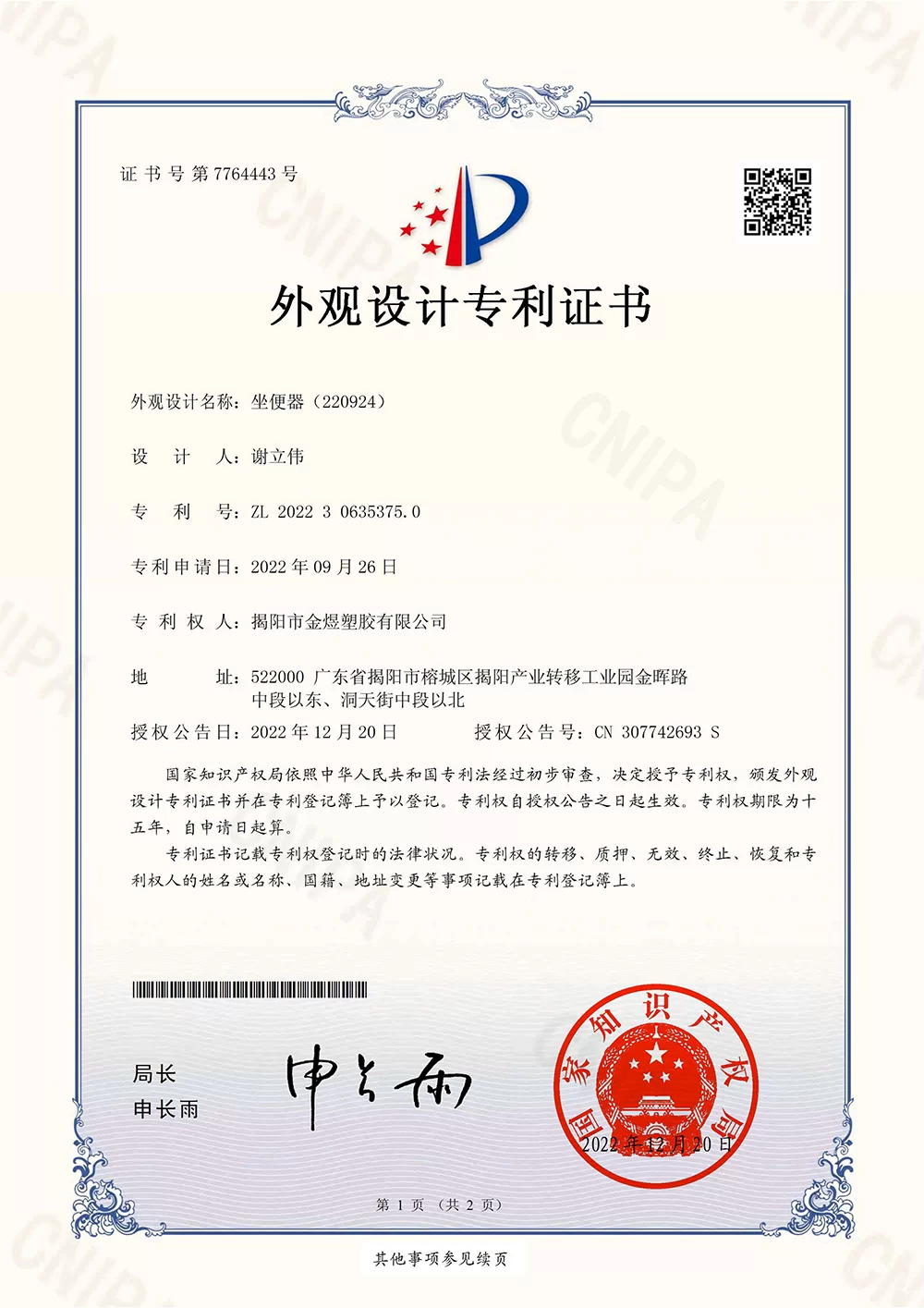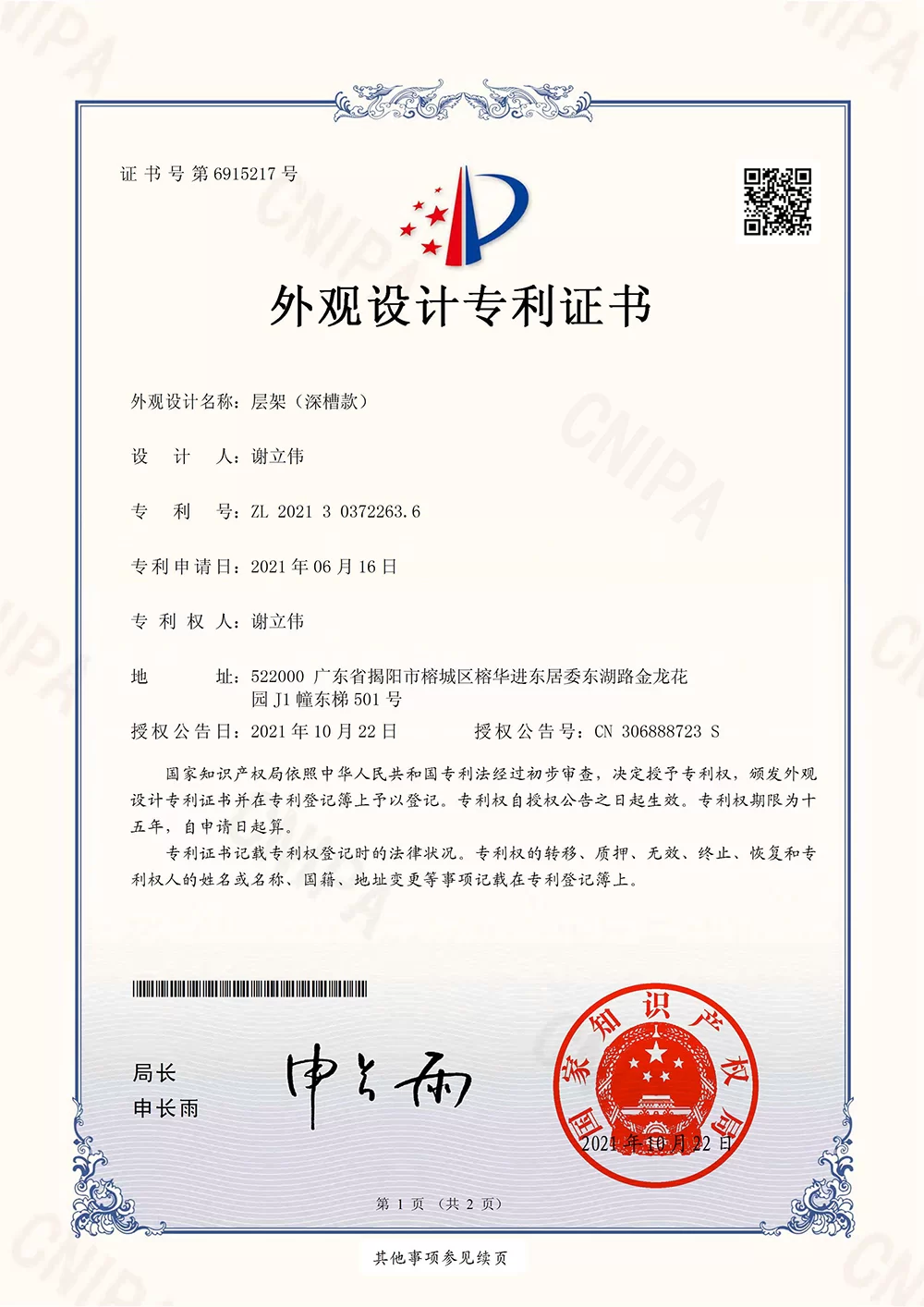
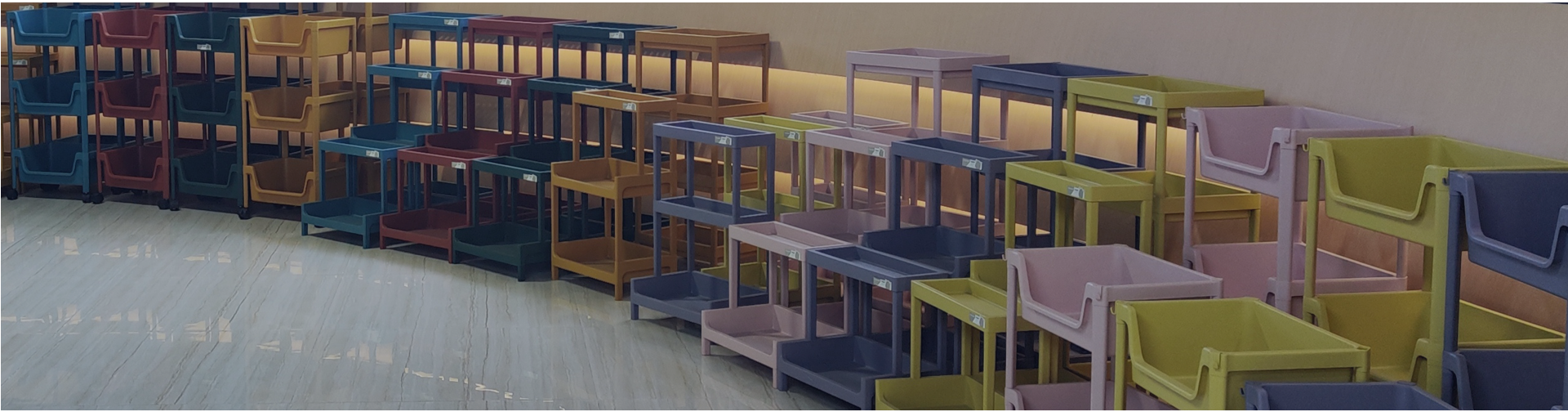
For baby product brands and big-box retailers, the manufacturing conversation rarely revolves around merely "making" a product. When you are scaling to million-level baby plastic SKUs—spanning from ergonomic baby baths and potty chairs to high-density booster seats and feeding chairs—the ultimate metric is absolute risk aversion.
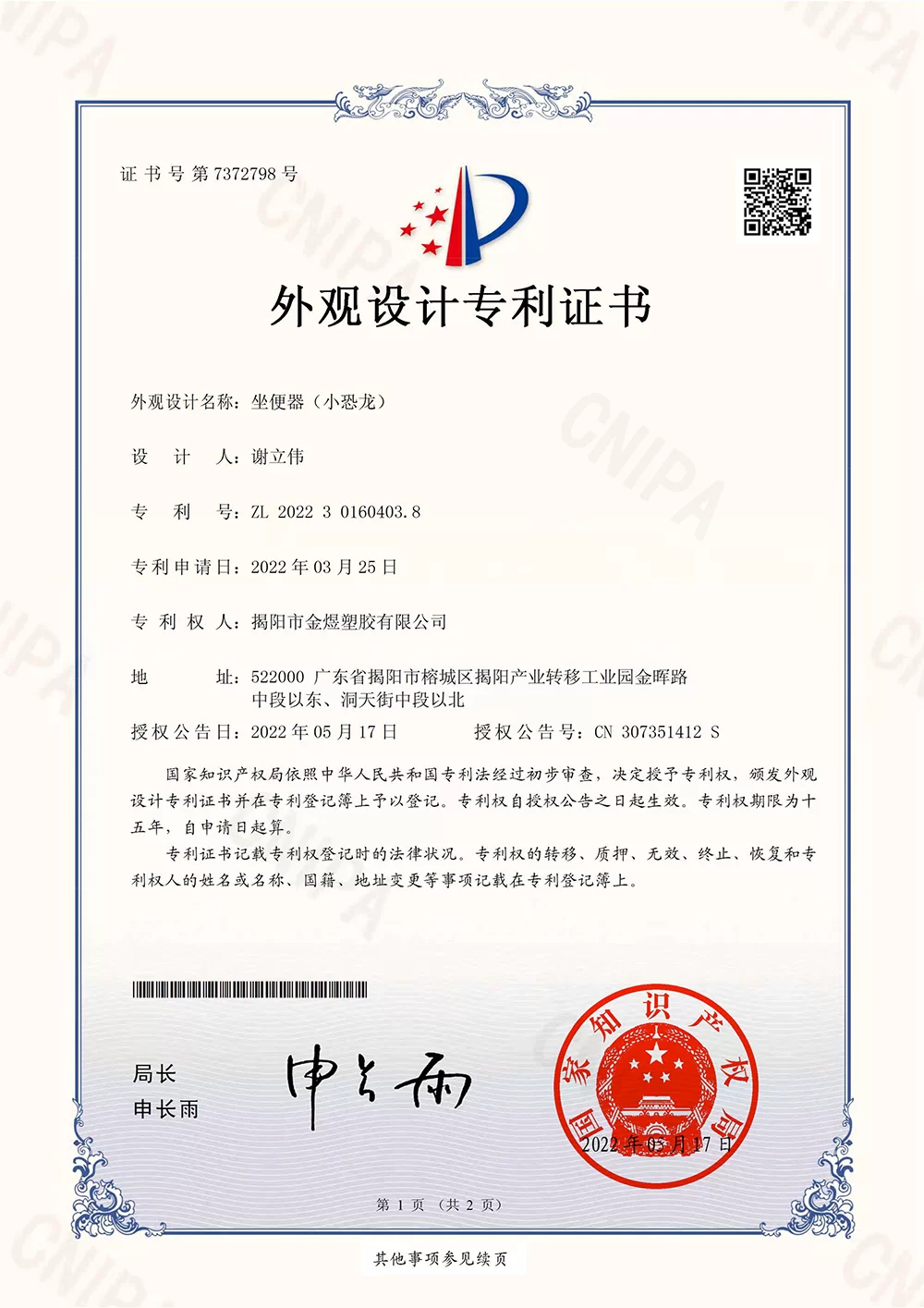
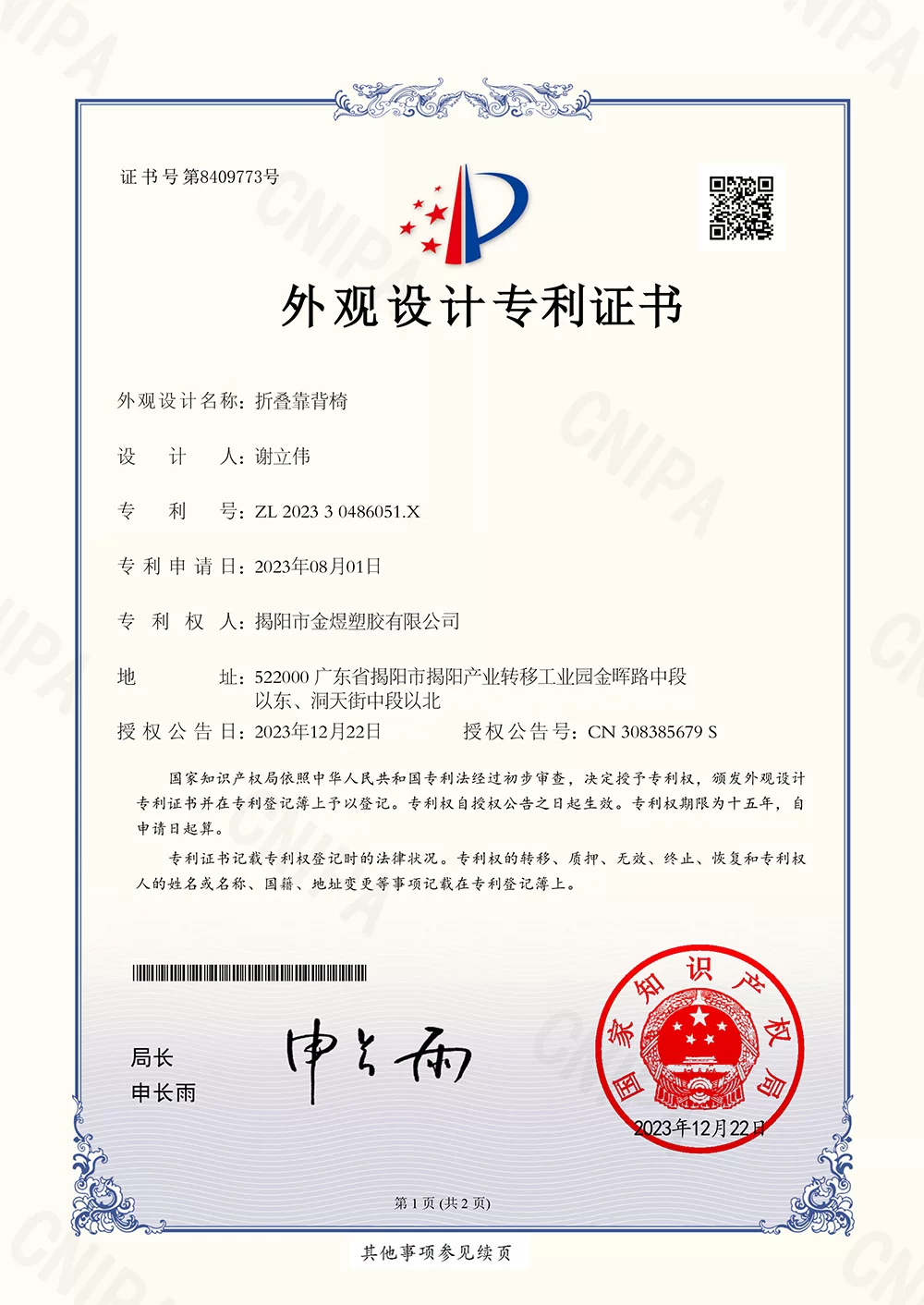
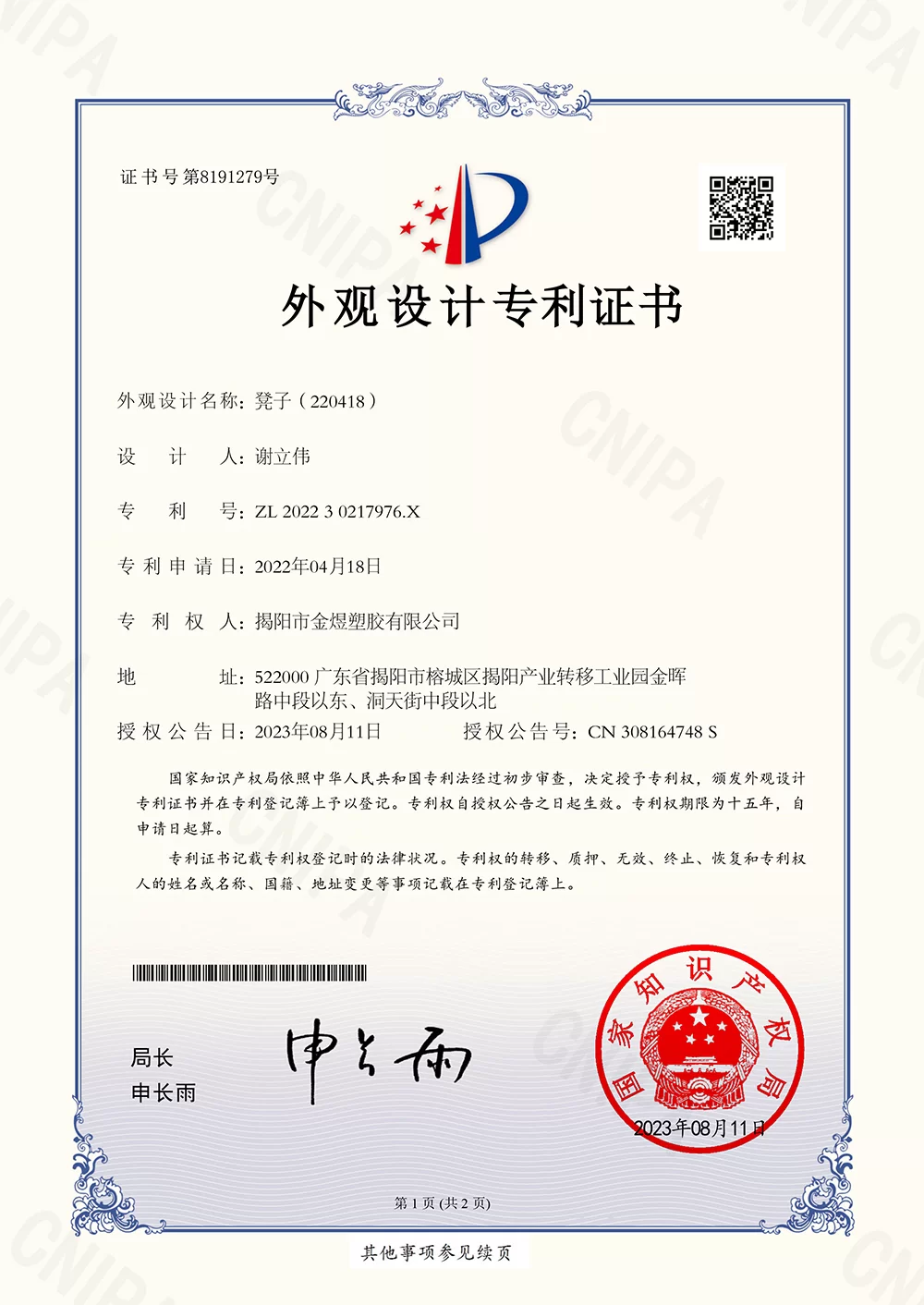
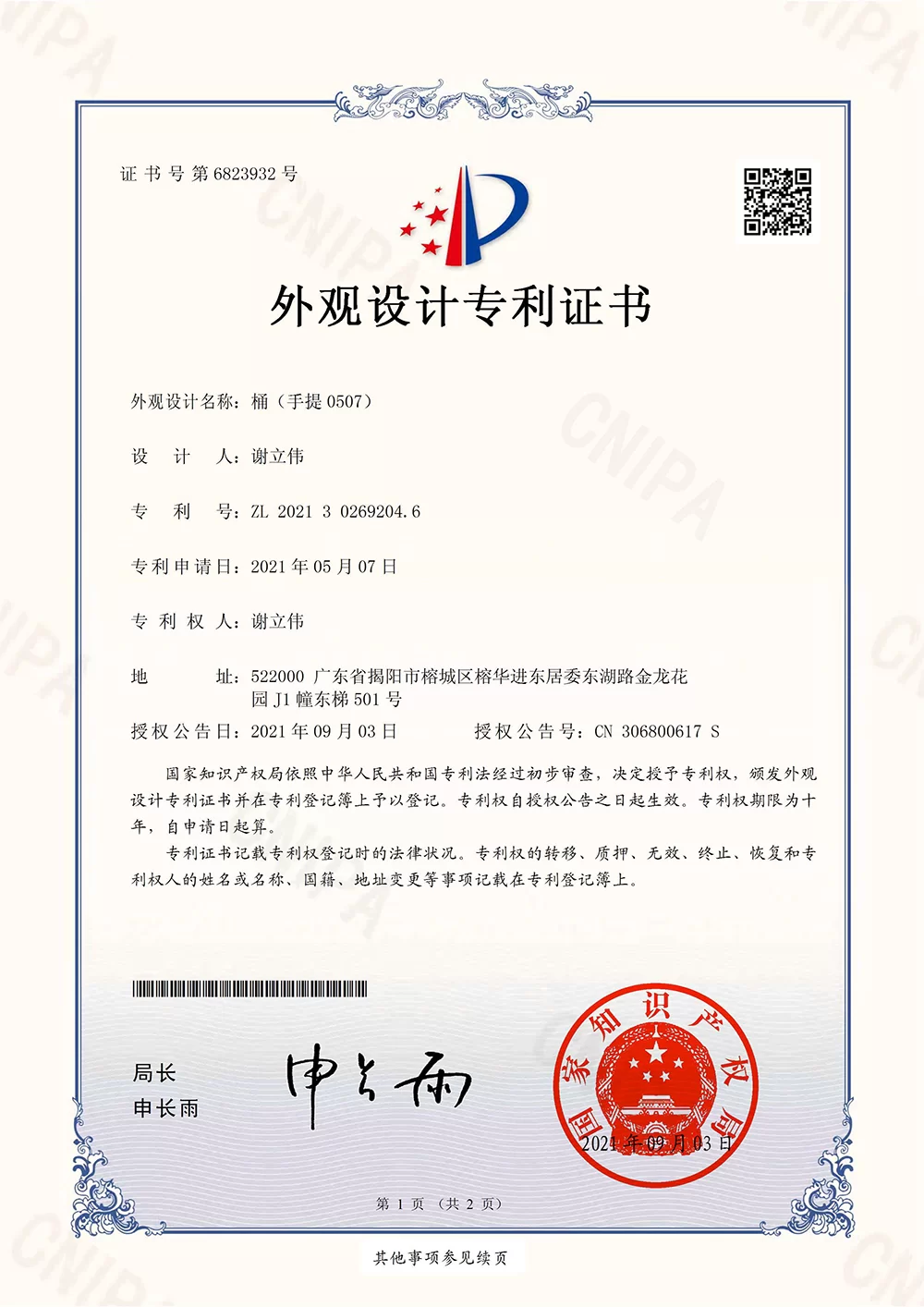
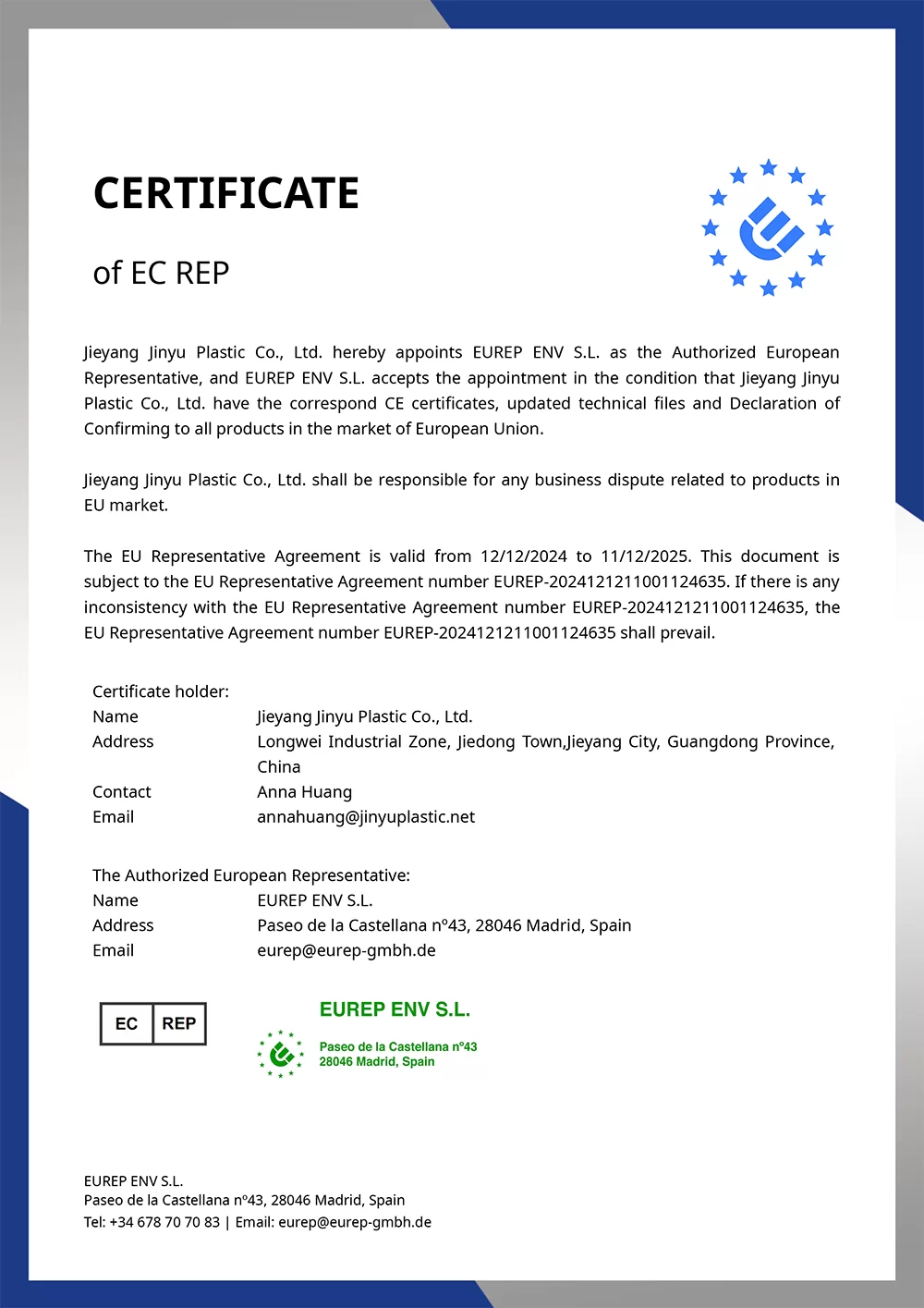
A single product recall due to a compliance loophole, toxic material trace, or structural defect can cost millions in reverse logistics and permanently damage brand equity. Enterprise procurement teams must constantly assess product recall risks, uncover hidden costs of defect rates, and scrutinize factoryISO 9001 and BSCI certifications before authorizing mass production.
In this deep dive, we explore how enterprise-level supply chains can mandate zero-defect standard operating procedures (SOPs) and integrate global compliance into every phase of high-volume injection molding.
(For baseline regulatory compliance, enterprise buyers must strictly adhere to the guidelines enforced by theU.S. Consumer Product Safety Commission (CPSC) and theEuropean Chemicals Agency (ECHA) REACH directives.)
1. Batch Traceability of Bulk Raw Materials & The BPA-Free Certification Chain
When ordering 100,000+ units of a baby bath or potty chair,consuming massive tonnages of raw Polypropylene (PP), Thermoplastic Elastomers (TPE), and food-grade silicone. How ensure that the 50th batch is just as safe as the 1st?
The answer lies in rigorous batch traceability. Enterprise buyers must look beyond standard marketing claims and request comprehensive Material Safety Data Sheets (MSDS) and material property data sheets for every resin lot. The chain of custody for BPA-free, Phthalate-free, and lead-free certifications must be unbroken from the petrochemical refinery to the injection molding hopper.
Content Touchpoint: Cross-Border Compliance Certification Checklist
Certification / Standard | Target Material / Component | Enterprise Mandate for Baby Plastic SKUs |
CPSC / CPSIA (USA) | All accessible plastic parts | Total Lead < 100 ppm; Phthalates < 0.1% |
REACH (EU) | TPE grips, PP bodies | SVHC (Substances of Very High Concern) screening |
FDA 21 CFR 177 (USA) | Food-grade silicone/high chair trays | Safe for direct food contact; zero toxic migration |
RoHS | Any electronic components in potties | Restriction of heavy metals (Lead, Mercury, Cadmium) |
2. Integrating ASTM F404 & CPSC Standards into Mass Production QC SOPs
Successfully passing lab tests during the T2 prototyping phase is merely table stakes. The true challenge is embedding standards likeASTM F404 (Standard Consumer Safety Specification for High Chairs) seamlessly into your mass production QC SOPs.
During high-frequency production, variables like cooling times and mold temperatures can fluctuate, leading to microscopic vulnerabilities. A robust enterprise QA protocol doesn't just wait for post-production; it integrates on-the-line testing. This includes hourly drop tests, torque tests on safety harness anchors, and static load testing on booster seats to ensure no structural integrity is lost during the 24/7 manufacturing cycle.
3. AQL Sampling Strategies and Tolerance Rates for 100k+ Orders
When dealing with large-scale manufacturing of baby plastic SKUs, inspecting every single unit is mathematically impossible. This is where stringent Acceptable Quality Limit (AQL) sampling strategies come into play.
Enterprise clients typically reject standard commercial AQLs and enforce a much tighter tolerance rate. For juvenile products, structural flaws are classified as "Critical" defects because they pose a direct hazard to an infant.
Content Touchpoint: AQL Sampling Standard Matrix for Bulk Orders (ISO 2859-1)
Based on a Lot Size of 150,000 Units (General Inspection Level II)
Defect Classification | Definition for Baby Plastic SKUs | AQL Tolerance Standard | Accept/Reject (Sample Size: 800) |
Critical | Sharp edges, broken high-chair joints, toxic smell | AQL 0.0 | Accept: 0 / Reject: 1 (Instant Lot Rejection) |
Major | Scratched surfaces, peeling TPE, loose non-safety parts | AQL 1.0 | Accept: 14 / Reject: 15 |
Minor | Slight color variation, minor packaging blemishes | AQL 2.5 | Accept: 21 / Reject: 22 |
Typical Behavior: Top-tier brands will assign third-party resident supervisors to execute these AQL pulls dynamically on the factory floor, rather than waiting for pre-shipment.
4. Hidden Impacts of Mold Wear on Structural Integrity
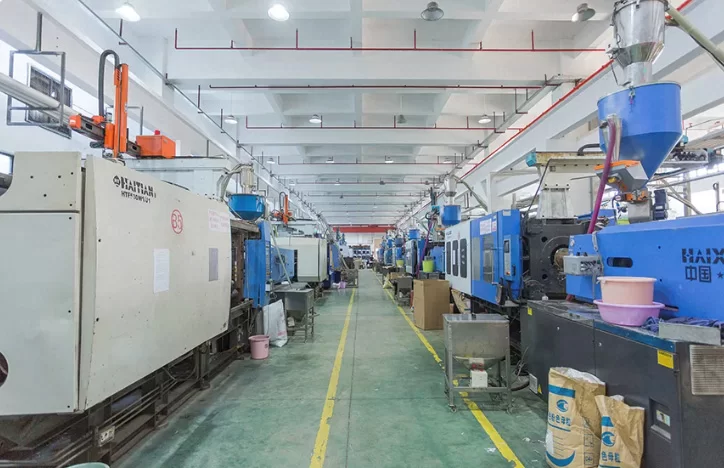
In high-volume injection molding, tooling is your most critical asset. Producing a million baby potty chairs or high chair trays requires SPI Class 101 molds (hardened steel, designed for 1 million+ cycles).
However, high-frequency molding causes inevitable mold degradation—such as gate wear, core pin shifting, or venting clogs. This can result in "flash" (excess plastic creating razor-sharp edges) or "sink marks" that secretly compromise the load-bearing capacity of a baby high chair. Managing the mold life cycle prevents these hidden defect costs.
Content Touchpoint: Mold Life Cycle and Maintenance Chart (SPI Class 101)
0 – 100,000 Shots: Routine visual inspection. Focus on mold release agents and cooling line flushing.
100,000 – 300,000 Shots: Preventative Maintenance (PM) Level 1. Cleaning of ejector pins, checking for microscopic parting line wear to prevent flash on baby baths.
300,000 – 500,000 Shots: PM Level 2. Ultrasonic cleaning of inserts, checking runner systems to ensure TPE/PP 2K molding adherence remains flawless.
500,000+ Shots: Major overhaul. Laser welding of worn gates and recalibration of core pins to maintain ASTM structural thickness standards.
5. Coordinating Third-Party Audits (SGS/TUV) and Defect Destruction Protocols
If a batch of booster seats fails its SGS or TÜV Rheinland inspection due to a compromised latch, those units run the massive risk of leaking into grey markets, ultimately destroying brand reputation.
Enterprise contracts must include strict destruction protocols for defective units.
Content Touchpoint: Zero-Defect SOP & Defect Destruction Flowchart
1.Third-Party Audit (SGS/TUV): Resident inspector identifies a Major/Critical failure during the AQL 0.0 check.
2.Lot Quarantine: The entire production lot (e.g., 10,000 units) is immediately moved to a physically fenced quarantine zone on the factory floor.
3.Root Cause Analysis (RCA): Engineering teams cross-reference machine logs (pressure, temperature, cooling time) to identify the injection molding flaw.
4.Authorized Destruction: Defective baby plastic SKUs are sent to industrial shredders under video surveillance or in the presence of the brand’s resident QA officer.
5.Regrind Policy Enforcement: Strict verification that shredded, post-industrial recycled (PIR) plastic is NOT reused in structural/safety-critical baby products, complying with brand-specific resin purity mandates.
Conclusion: Securing Your Supply Chain for Scale
Executing the mass production of million-level baby plastic SKUs is an exercise in meticulous risk management. By mandating unbroken traceability of BPA-free materials, seamlessly integrating CPSC and ASTM F404 testing into daily SOPs, enforcing zero-tolerance AQLs, and strictly managing mold maintenance.
When comparing factory capabilities, do not just ask for a quote. Request their MSDS records, scrutinize their mold maintenance logs, and demand transparency in their defect destruction protocols. In the high-stakes world of juvenile manufacturing, global compliance isn't just a legal requirement—it is your ultimate competitive advantage.